Would social services take my child if I smack them?


My sister, let me explain this thing well, because many of us who grew up in Nigeria don’t always understand how different the UK system is.

1. In the UK, smacking is not automatically illegal — but the rules are very strict

Back home, a small slap or tapping a child’s hand is normal.
But here, once you smack a child and it leaves a mark — even a small one — it becomes a safeguarding issue.

Marks like:

  • bruises
  • red patches
  • scratches

Those things can make schools or childcare providers legally obliged to report it. They don’t have a choice.

2. If a smack leaves a mark, you will be investigated

If your child goes to school and the teacher notices something and the child says,
“Mummy/Daddy smacked me,”
that teacher cannot keep quiet.
They must report it to social services.

3. Investigation does NOT mean they will carry your child away

Many of us hear “social services” and our heart just jumps.
But here, investigation doesn’t automatically mean taking your child.
Most of the time, they just want to check:

  • Is the child safe?
  • Was it a one-off mistake?
  • Is everything else okay at home?

They understand parents get stressed. They understand sometimes we react out of frustration.

4. What they are really looking at

They consider:

  • Is this happening all the time?
  • Do you show understanding and are you willing to change?
  • Is the home stable and the child well looked after?
  • Is there any sign of ongoing harm?

If everything else is fine and you’re open to learning safer ways to discipline, they normally close the case or offer support.

5. When could a child be taken?

Removal only happens when a child is in serious and ongoing danger.
For example:

  • repeated injuries
  • harsh physical discipline
  • a parent who refuses to change
  • or a general unsafe environment

But this is rare. Most families do not reach that stage.

6. The important thing for us as African parents to understand

The UK doesn’t joke with children’s safety.
Even a small smack can be misinterpreted, especially if it leaves a mark.
So it’s safer to use other discipline methods like:

  • time-out
  • removing privileges
  • talking and setting clear boundaries

It keeps you and your child out of trouble.

7. My advice as a Nigerian mum raising kids in the UK

We have to adjust.
The way we were raised back home doesn’t always work here.
Smacking can easily bring unnecessary attention from school or social services.

Choose the peaceful route.
Choose the safe route.
Parent in a way that protects your child — and protects you too.


Ms Olu 💛❤️💛

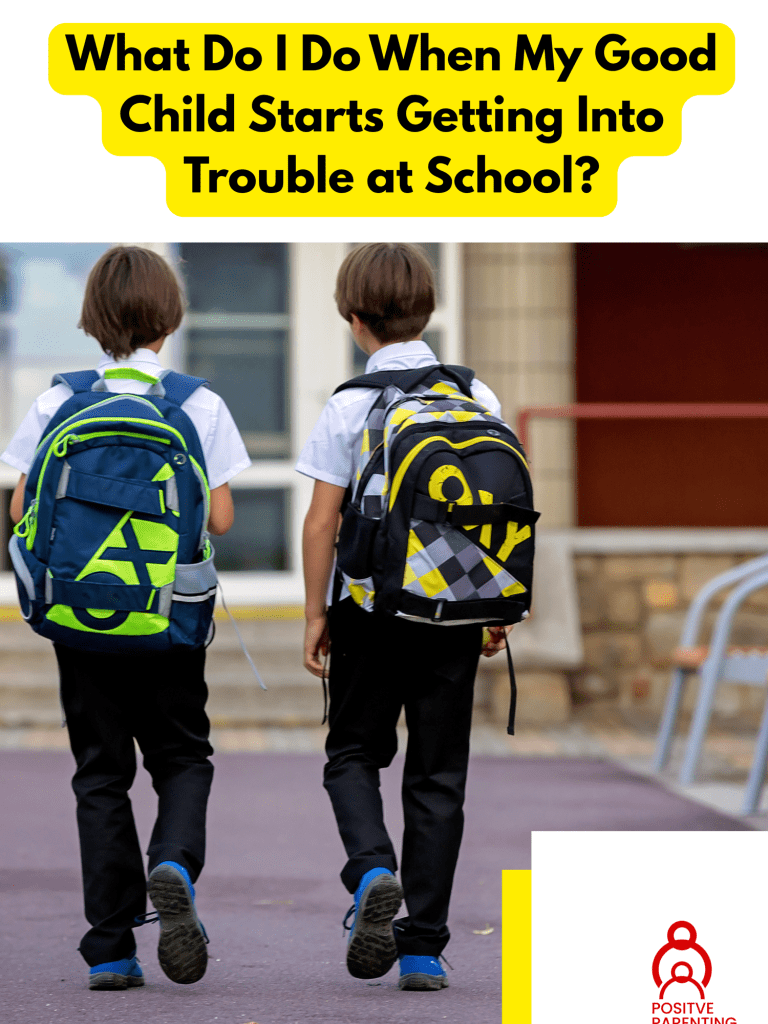
What Do I Do When My Good Child Starts Getting Into Trouble at School?


When a usually well-behaved child suddenly starts getting into trouble, it can be confusing and worrying for any parent. But behaviour changes are often a sign that something deeper is going on.

Here’s what to do:

1. Stay calm.

Don’t overreact. Listen and gather the facts.

2. Talk to your child gently.

Ask open questions like: “What happened?” and “How were you feeling?”

3. Look for triggers.

Common causes include friendship issues, academic struggles, bullying, big emotions, or changes at home.

4. Work with the school.

Ask for details and partner with the teacher to support your child.

5. Teach emotional skills.

Help your child express feelings, solve problems, and calm themselves.

6. Praise good behaviour.

Recognise small improvements to build confidence.

7. Set clear but loving boundaries.

Explain what went wrong and what to do next time.

Remember:
Good children make mistakes too. What matters is guiding them with patience, understanding, and consistency.


Happy parenting 🥰❤️

Ms Olu

5 key factors that can greatly influence your child’s success in school:

Speaking from experience, I believe there are five key factors that can greatly influence your child’s success in school:

  1. Parental involvement – No matter what school your child attends, your support and encouragement at home make a big difference.
  2. A good school and the right teacher – Finding a school and teacher that understand and bring out the best in your child is essential.
  3. Location matters – Living in an area with good schools can open up better opportunities for your child.
  4. Private tutoring – Getting a good tutor can provide extra support and help strengthen your child’s understanding of key subjects.
  5. Your child’s determination and effort – At the end of the day, your child’s own motivation to learn plays a big role in their success.

Final Thoughts:
Every child’s educational journey is unique, but with the right support system—both at home and in school—they can thrive and reach their full potential. As parents, our role is to guide, encourage, and provide the best environment for them to grow academically and emotionally. Remember, consistency and support go a long way in shaping your child’s future success.

#ParentTips #EducationMatters #SchoolSuccess #ParentingInTheUK #NaijaMumInLondon #RaisingChampions #ParentalInvolvement #UKMums #TutoringSupport #MotivatedLearners #ParentingJourney

Wanting More for My Children: Lessons from a Nigerian Mum Raising Kids in the UK


As a Nigerian mum raising kids in the UK, I’ve come to realise that I want more for my children — not just in terms of material things, but in their education, character, and future opportunities.

If I were to have a baby today, there are so many things I would do differently. Over the years, I’ve learned that parenting in the UK requires being intentional from day one. It’s not enough to simply hope our children will do well — we must actively guide, support, and nurture them.

Here’s what I would do if I were starting again:

1. Start Early

From the day my baby is born, I would make reading part of our daily routine. I would read to him every night — even when he’s too little to understand — because it builds language skills and creates a special bond.

2. Teach at Home

By the time he turns two, I would start teaching him how to read through phonics sounds and basic number counting. I’ve learned that the earlier we expose our children to learning, the more confident they become.

3. Choose the Right School

At age three, I would introduce him to more reading and enrol him in a good prep school. I wouldn’t just put him in any school because it’s nearby — I would do my research. If I couldn’t find a good school in my area, I’d even consider moving to where the best schools are. Education sets the foundation for everything else.

4. Create a Daily Routine

Every day, I would create a simple study routine — time to read, time to play, and time to rest. Children thrive on structure, and consistency helps them develop discipline and good habits.

5. Encourage Curiosity

During school holidays, I would take him to museums, libraries, and places that spark curiosity. I would study him closely — watch what he enjoys, what excites him — and encourage those interests.

6. Be Involved

Throughout his primary and secondary school years, I would stay involved in his education. I’d talk to his teachers regularly, attend school events, and take him to school whenever possible. I want him to know I care about his learning.

7. Teach Kindness and Values

I would teach him kindness — not just by telling him, but by showing him. Children learn more from what we do than what we say. I would be a role model, showing him how to treat others with respect and compassion.

8. Find Mentorship

When he becomes a teenager, I would connect him with a good mentor — someone who can guide him through those challenging years and help him make wise choices as he grows into a young adult.


Why I’m Writing This

I’m writing this to encourage other parents, especially mums like me, to be intentional about how we raise our children.
I’ve realised that we get out of our children what we put into them. If we invest time, love, and effort, we’ll see the results in their confidence, character, and success. But if we don’t put much in, we can’t expect much in return.

So let’s be present. Let’s guide them, nurture their gifts, and show them that they can achieve great things — because when we plant the right seeds early, the harvest will surely come. 🌱


Olu

A Nigerian 🇳🇬 mom and a grandma raising kids in the UK 🇬🇧

Before You Relocate Your Teen Back Home to Nigeria, Please Read This


Please, before you make the decision to relocate your teenager back home to Nigeria because you feel you can’t cope with them — pause for a moment, take a deep breath, and read this. ❤️

I know that raising teenagers abroad, especially here in the UK, can be challenging. Many parents often say, “These kids are too hard to manage,” or “Children abroad don’t listen.” But I beg to differ — that hasn’t been my reality.

My son is now 21, and looking back, I can say with gratitude that our journey wasn’t always easy, but it was worth every bit of patience and understanding.


Parenting Teens Abroad

— A Different Kind of Challenge

Let’s be honest, parenting teenagers anywhere in the world isn’t simple. But when you’re raising children in a completely different culture from where you were raised, the challenge feels bigger.

In Nigeria, we grew up in a culture of “Do as I say, not as I do.” Respect was demanded, not earned. You didn’t question adults, and discipline often came before discussion. But here in the UK, things are different. Teenagers are encouraged to express themselves, question things, and make independent choices — and as parents, that can feel uncomfortable.

I had to learn to unlearn.

I realized that if I tried to raise my son the same way I was raised back home, we would clash constantly. Instead, I had to adapt — to listen more, to understand his world, and to meet him halfway.


What Helped Me

  1. Communication is everything.
    I made sure we talked — even when he didn’t feel like talking. I’d wait for the right moment, maybe while driving or watching a show together. I learned that conversations don’t always have to be formal.
  2. Pick your battles.
    Not everything needs an argument. Sometimes, it’s better to let go of small things and focus on the big picture — their wellbeing, values, and emotional growth.
  3. Be willing to adapt.
    The parenting style that worked for our parents in Nigeria doesn’t always work here. The environment is different, the culture is different, and our children are growing up in a completely new world.
  4. Love them loudly.
    Teenagers may act like they don’t care, but they still need love, reassurance, and patience. Your calm voice can sometimes do more than your anger ever will.

Final Thoughts

Before you decide to send your teen back home, please pause and reflect. Ask yourself — is this decision coming from frustration, or is it truly what’s best for them? Sometimes, all they need is your patience and understanding.

Yes, raising teenagers abroad can be tough, but it’s not impossible. When we adapt, stay open, and show love in a way they understand, we’ll see that they can thrive right where they are.

I’m not saying it’s easy — but I promise you, it’s possible. 💛

— Olu


✨ If you don’t want your children to struggle socially, you need to teach them these 4 skills ✨

So many kids start to struggle with friendships around age 8–10. You’ll see:
😢 Tears
😢 Friendship drama
😢 Self-doubt
😢 “No one likes me…”

Often, it’s not because they’re “unlikeable” — it’s because no one ever taught them the basics of being a good friend.

👉 Teach your child to:

  1. Listen as well as talk
  2. Take turns in conversations
  3. Be kind and respectful outside the home
  4. Handle disagreements without being mean

These simple skills make such a difference in helping your child feel confident and connected. 💕

We’re now on Instagram! 🎉 Follow us 👆for updates, educational tips, and more!

Visit 👉 brighter-bee-learning

How Do I Make School Life Easy for My Child?

Everything starts at home!

The other day, I was talking to a colleague of mine about children and how differently they experience school. Some children seem to find learning easy and excel, while others struggle and fall behind.

From my experience working with kids, I’ve noticed a clear pattern: children whose parents take the time to support them at home tend to do much better in school.

It doesn’t have to mean hours of tutoring or expensive resources. Sometimes, the little things make the biggest difference—
✅ Reading together for just 15 minutes a day
✅ Practicing spellings, times tables, or simple sums at home
✅ Asking them about their day and encouraging them to explain what they’ve learned
✅ Creating a quiet, distraction-free space for homework
✅ Praising effort, not just results

When children see that learning is part of everyday life at home, they approach school with more confidence and motivation. Parents are a child’s first teachers, and our involvement makes their journey through school much easier.

👉 So if you’ve ever wondered how to make school life easier for your child, start at home. Be present, be consistent, and let your child know that learning is a team effort.

I hope this helps and I hope you will take action after reading today’s post.

Your child will thank you later

Olu ❤️❤️❤️

School Is Back – Support Your Child With Their Learning

Back-to-School Advice from Ms Olu


The summer holidays are over, and a brand-new school year has begun! This is always an exciting time, full of fresh opportunities for children to learn and grow. As parents, your role in supporting that journey is just as important as what happens in the classroom.

Too often, parents wait until they see a worrying report card before stepping in. By then, a child may already feel left behind. Don’t wait—start supporting your child from the very first day of school.

Here are my top back-to-school tips for helping your child succeed:


1. Create a Routine and Stick to It

Children thrive on structure. Set regular times for reading, homework, meals, and bedtime. Even 10–15 minutes of focused practice each day makes a huge difference.

2. Read Every Day

Make reading part of your daily routine—whether it’s a bedtime story, reading labels in the supermarket, or exploring library books. Reading builds vocabulary, imagination, and confidence.

3. Stay Connected With Teachers

Don’t wait until parents’ evening to ask questions. Build a relationship with your child’s teacher from the start so you can work together to support your child’s progress.

4. Make Learning Fun at Home

Use games, puzzles, and everyday activities to keep learning light and enjoyable. Remember—children learn best when they are having fun.

5. Encourage Independence

Let your child try things on their own, like packing their bag or writing their name. These small steps build responsibility and self-confidence.


Don’t Have Time? We Can Help!

We understand that life is busy, and not all parents have the time to support learning at home every day. That’s where BrighterBee Learning Centre comes in!

Our team of experienced tutors provides fun, structured, and effective learning sessions that support reading, writing, numeracy, and more. With small group or one-to-one sessions, we make sure every child gets the attention they need to thrive this school year.

✨ Enroll your child today at BrighterBee Learning Centre and give them the best start this school year!


Brighter Bee Learning Centre

11 The Mound SE93BA

How to Avoid Raising an Entitled Child

As parents, most of us want to give our children the best—better than what we had growing up. But if we’re not careful, that desire can sometimes lead to raising entitled children who expect the world to always give them what they want.

 Entitlement can make kids ungrateful, demanding, and even unprepared for real life.

The good news is, with the right guidance, we can raise children who are grounded, appreciative, and responsible. 

I regretted not knowing this earlier on when I was raising my son. I give him everything he asked for. And when I started saying no to him, he wasn’t happy. And this became a problem for a while. 

That’s why I am sharing this post with you today so that you won’t make the mistake I made! 

HERE ARE SOME PRACTICAL TIPS TO HELP: 

1. Teach Gratitude Early

Gratitude is one of the best antidotes to entitlement. Encourage your child to say “thank you” often, and make it part of your family routine to reflect on what you’re grateful for. A simple bedtime question like, “What was one good thing about today?” can build a habit of appreciation.

2. Set Clear Boundaries

Children need to understand that “no” is a part of life. If we give in to every demand to avoid tears or tantrums, they’ll expect the same treatment from the world. Be firm, consistent, and kind with boundaries—it teaches them respect and self-control.

3. Give Age-Appropriate Responsibilities

Chores and responsibilities teach kids that they’re part of a family team, not the center of it. Whether it’s tidying toys, setting the table, or feeding a pet, these small tasks help them understand that everyone contributes.

4. Avoid Overindulgence

Gifts and treats should feel special, not guaranteed. It’s okay to say, “We’ll save up for that” instead of buying everything instantly. Teaching kids to wait, work, and save helps them value what they receive.

5. Model Respect and Humility

Children learn more from what we do than what we say. Show respect to people around you—whether it’s the shop assistant, delivery driver, or cleaner. And when you make mistakes, be willing to admit it. It teaches your child that no one is “too important” to say sorry.

6. Teach the Value of Hard Work

Entitled children often expect rewards without effort. Flip that mindset by showing them that rewards come after responsibility. Share your own work stories—how you studied, worked hard, or made sacrifices. Let them see the pride that comes with effort.

7. Encourage Empathy

A powerful way to combat entitlement is by helping kids see beyond themselves. Ask them how their actions might make others feel. Involve them in kindness—donating toys, writing thank-you notes, or helping neighbors. It builds compassion and perspective.

8. Use Praise Wisely

Children thrive on praise, but too much can create unrealistic expectations. Praise effort, resilience, and kindness rather than giving applause for every small action. Balance encouragement with gentle feedback so they grow confident andhumble.

Final Thoughts

Raising children in today’s world can feel like walking a tightrope between giving them the best and keeping them grounded. Remember: it’s not about being strict all the time but about guiding them with love, consistency, and wisdom.

When we teach our kids gratitude, responsibility, and empathy, we’re not just avoiding entitlement—we’re raising strong, kind, and resilient young people who will thrive in the real world.

I hope this helps

Olu ❤️

Daily Study Plan for Year 3 Kids – Getting Ready for September

The long summer break is almost over, and many of us are helping our children ease back into school mode. Year 3 is an exciting step – it’s the start of Key Stage 2, where learning becomes a bit more challenging, and independence starts to grow.

To help my granddaughter (and hopefully yours too!), I’ve created a simple daily study plan that’s short, fun, and easy to stick to. The goal isn’t hours of homework but building confidence and good habits.

✅ Daily Time Commitment: About 45 minutes – 1 hour (Mon–Fri)

Example Daily Routine

Morning (10–15 mins before school)

  • Quick reading session (child reads aloud or shared reading).
  • Fun mental maths warm-up (times tables, number bonds, or a quick game).

After School (short, focused sessions):

  • Monday – Maths practice (place value/addition), spelling review, reading.
  • Tuesday – Writing (short story/diary), maths games, spelling.
  • Wednesday – Maths (multiplication/division), comprehension, creative task.
  • Thursday – Writing (creative/factual), maths (fractions/shapes), spelling.
  • Friday – Fun review (quiz, spelling test, or “teach the parent”), reading.

Weekend (light and fun):

  • Library visits, family board games, cooking (great for maths), or educational outings.

✨ Tips for Parents

  • Keep study sessions short – children this age learn best in small bursts.
  • Make it interactive with games, flashcards, or hands-on activities.
  • Use a reward system (stickers, stars, or extra playtime) to keep them motivated.
  • Remember: play, rest, and family time are just as important as study!

Year 3 is all about confidence, curiosity, and building strong foundations. A little bit each day makes the transition back to school so much smoother.

💬 Parents, how are you helping your Year 3 child prepare for September?

Ms Olu

BrighterBee Learning Centre